
Milton Road, Queen Emma, Arbury Primary Schools and Netherhall and St. Bede’s Secondary Schools
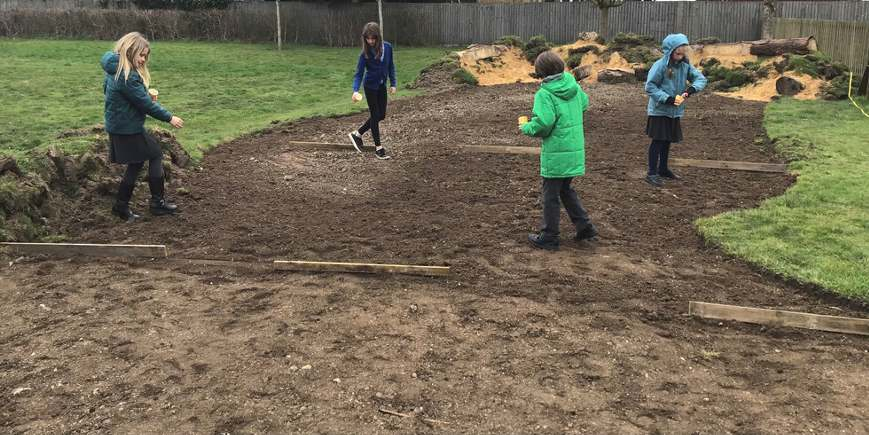
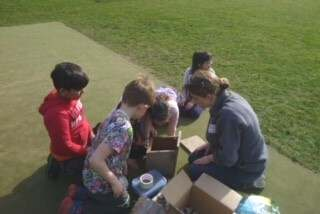
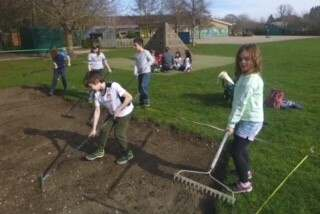
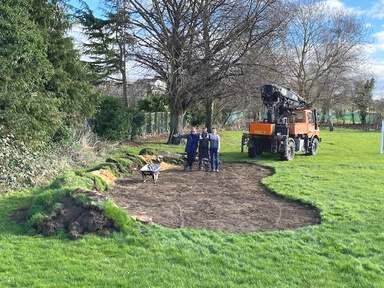
The aim of the project was to increase biodiversity and create space for invertebrates, mammals, reptiles and birds in an ever-growing urban environment. 725 square meters (0.07 hectares) of school land across 5 schools was converted into wildflower meadows. Educational activities took place with the school children and included seed calculation, weighing, sorting and sowing, studying bird habitats, building bird feeders and meadow measuring.
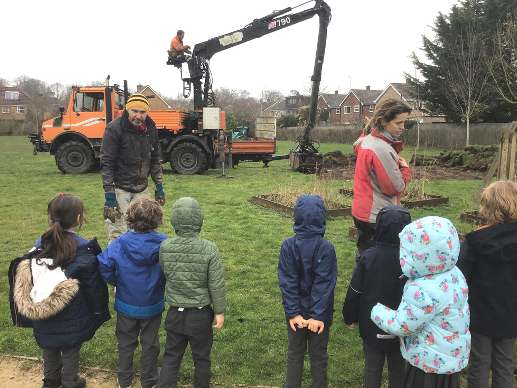
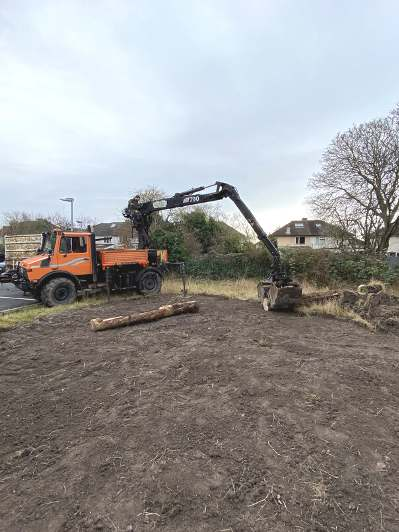
Contractors removed lawn to make way for wildflower meadows and habitat banks.
Log piles were created for invertebrates.
144 school children took part in preparing wildflower meadows and creating habitats for a variety of species.
Future Plans for Schools include:
- Discussing a ‘No Mow May’ strategy with schools to encourage longer areas of grass and flowers for insects and organising educational events to identify different playing field plants.
- Hanging bird and bat boxes and organising educational activities about bird and bat habitats.
- Buying bulbs later in the year ready to plant in Autumn/Winter, using money from match funder (Cambridge Water Pebble Fund), and organising educational activities to plant bulbs.
- Building insect hotels if schools are keen to participate and organising educational activities about invertebrate habitats.
| Dates | 2021-2022 |
| Status | Completed |
| Area of habitat created or improved | 0.07 ha |
| Location | Milton Road Primary School Queen Emma Primary School Arbury Primary School Netherhall Secondary School St. Bede’s Secondary School |
Partners and Funders


Funded by: Cambridge Water’s Pebble Fund and Natural England’s Nature Recovery Programme.
