
Protecting and enhancing the veteran trees along the River Cam
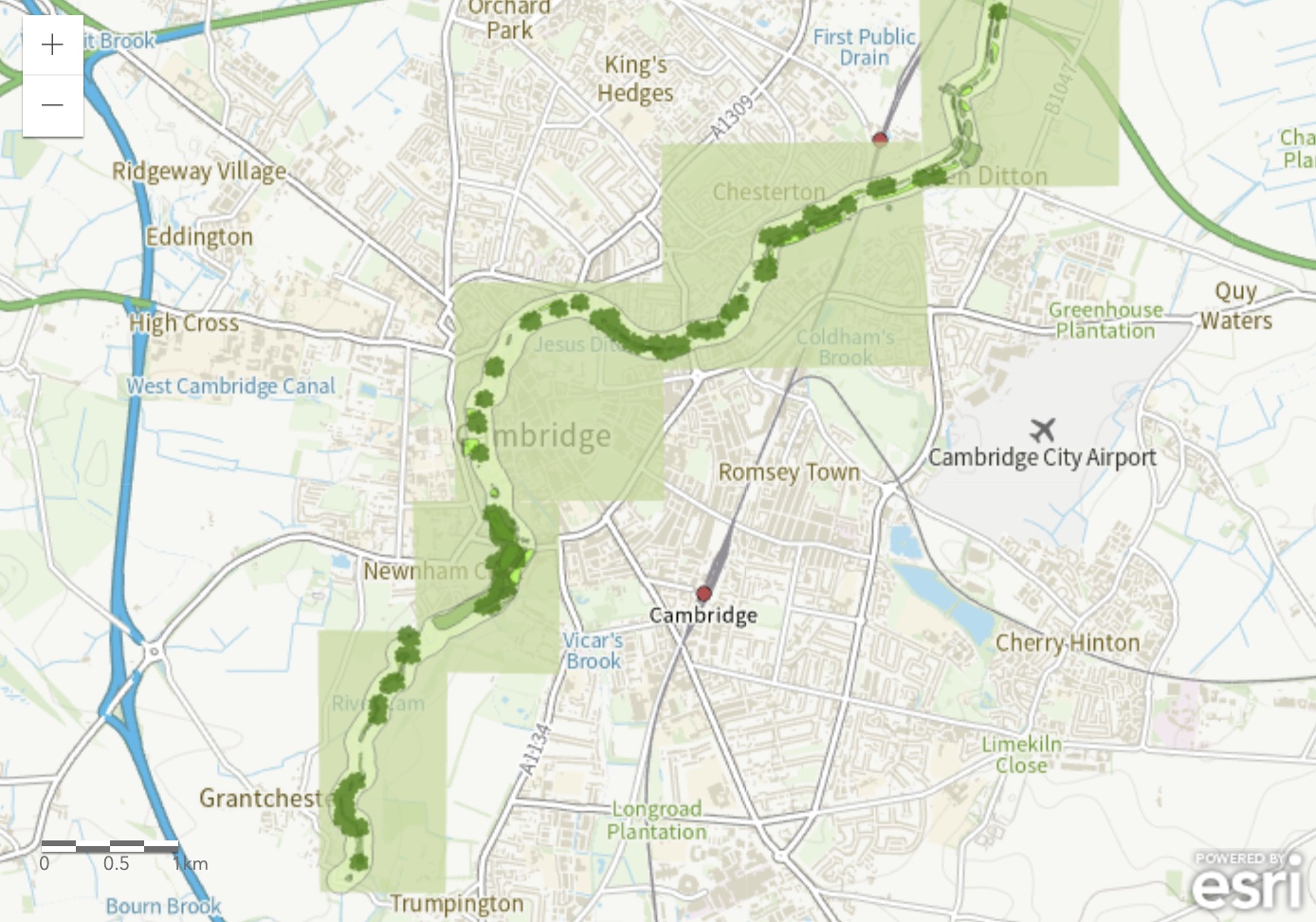
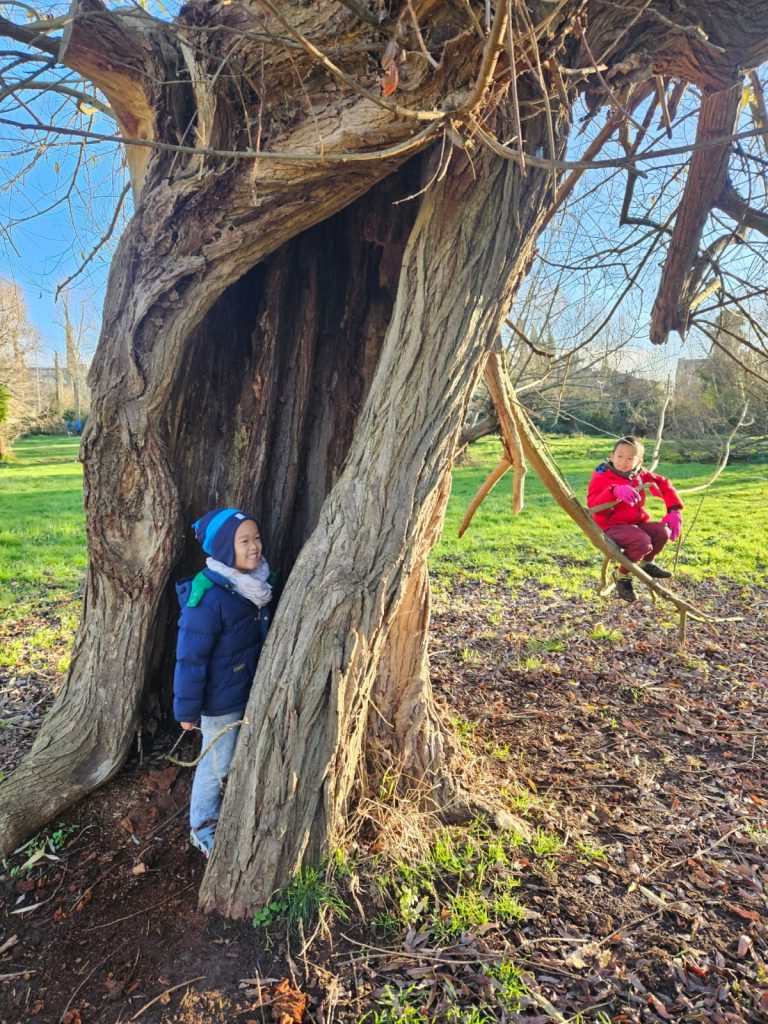
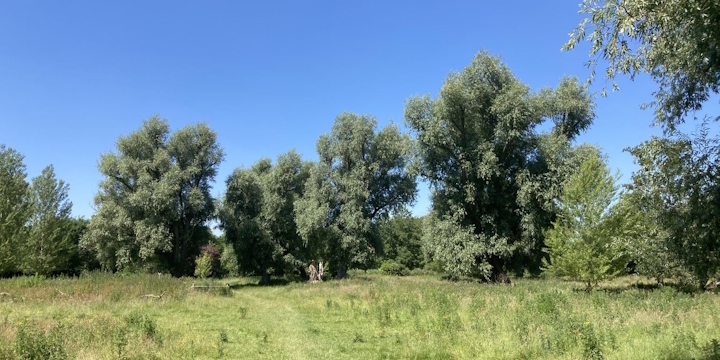
The DiversiTree project, led by Cambridge City Council, focuses on supporting the city’s urban forest through community action and collective stewardship. Centred along a 10-kilometre stretch of the River Cam from Baits Bite Lock to Grantchester Meadows, the DiversiTree project safeguards ancient and veteran trees, particularly the iconic native willows that define Cambridge’s watercourses and commons. A recent tree survey confirmed the presence of 33 individual veteran willows and 10 groups of veteran willow trees (as well as many more possible veterans) and identified 57 key sites for action. and upskilling officers to recognise and manage ancient and other veteran trees.
The project combines rigorous ecological mapping with imaginative community engagement. Comprehensive surveys identify veteran trees and prime locations for succession planting, feeding into a sustainable management plan and a voluntary Tree Charter that supports the Council’s work with land managers and other stakeholders in a community of care.
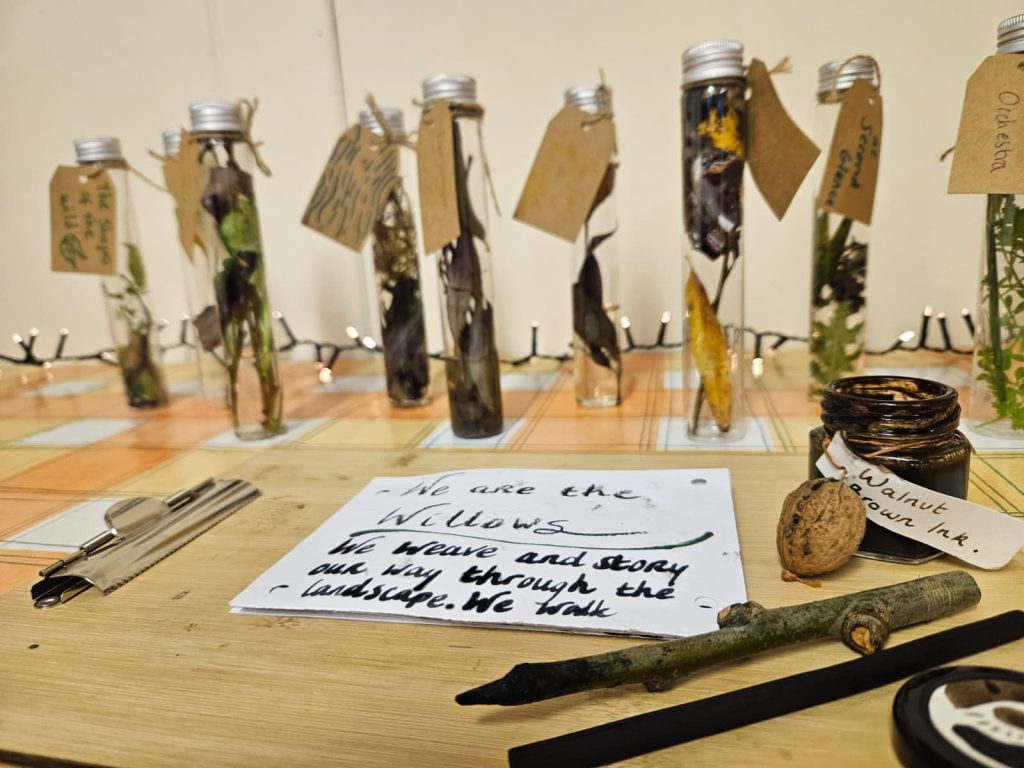
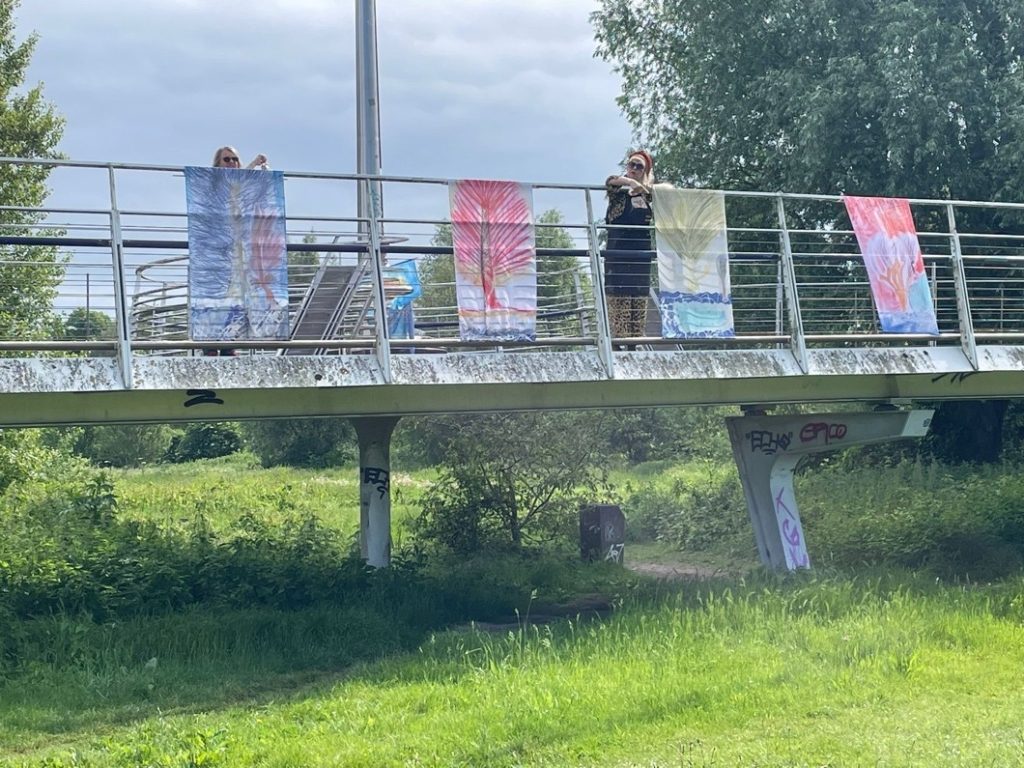
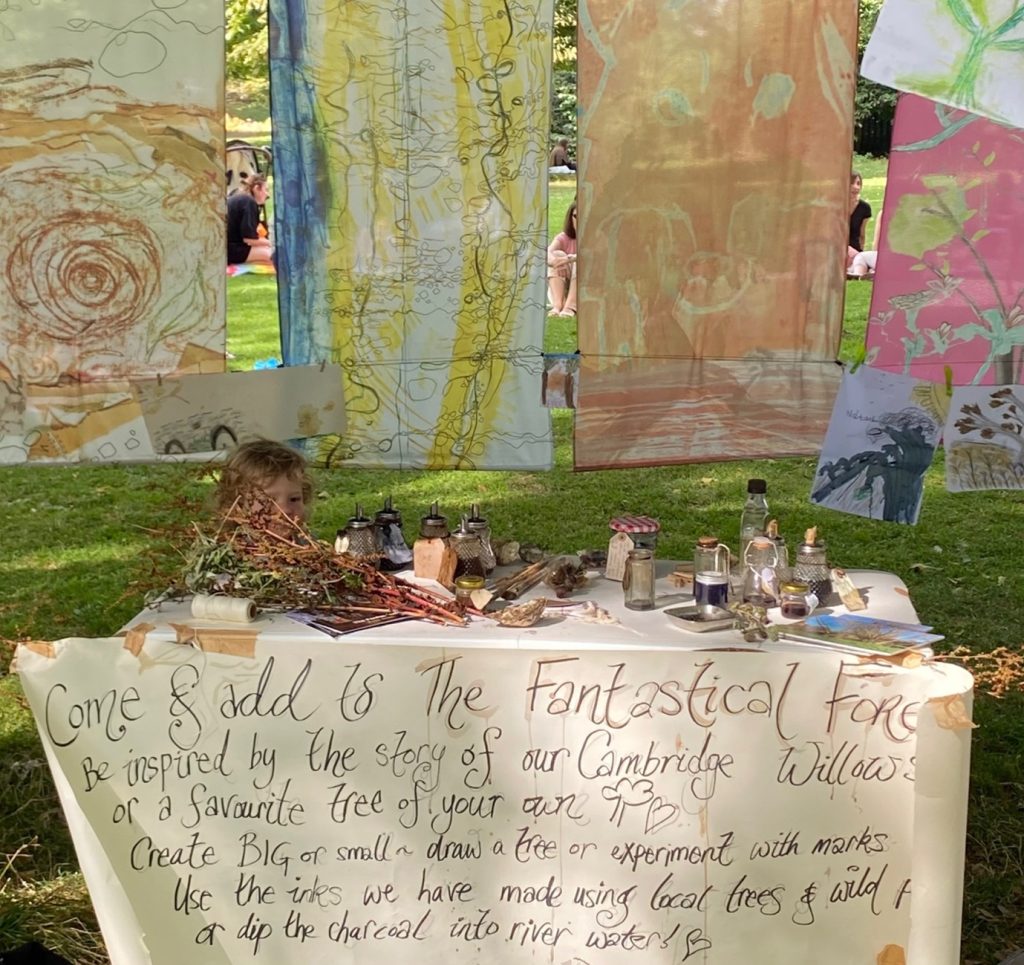
DiversiTree also bridges ecology and community arts: partnering with creative organisations like Cambridge Curiosity and Imagination and Studio Spaces, it has reached thousands of residents through free guided river walks, artist-led sessions, and interactive storytelling workshops like Weaving Words with Willows. These creative programs encourage deep personal connections to the landscape, utilising natural inks and wildflower-seeded paper to foster lasting connection and care across generations and species.
See also the extension project, tree guards at Grantchester Meadows.
| Dates | 2023-2026 |
| Status | n/a |
| Area of habitat created or improved | Urban chalk stream system, riparian corridors, and wetland environments. 0.216 ha (2160m2) |
| Location | Along the River Cam – key publicly accessible sites of Grantchester Meadow, Logan’s Meadow, Sheep’s Green, Lammas Land, Stourbridge Common, Ditton Meadows and Halingway (Towpath) |
Read more about the DiversiTree project